

Why You Should Never Eat Moldy Onions
Onions are widely known for their health benefits and are commonly used in kitchens around the world. They are rich in nutrients, antioxidants, and compounds that support human health. However, onions can become dangerous when they develop mold.
Many people ignore small signs of mold on onions and continue using them after cutting away the affected part. Unfortunately, consuming moldy onions may expose the body to harmful bacteria, toxins, and health risks that can negatively affect overall wellbeing.
Understanding the side effects of moldy onions is important for protecting your health and preventing foodborne illnesses.
Table of contents [Show]
What Causes Mold on Onions?
Mold usually develops on onions when they are stored improperly. Warm temperatures, moisture, poor ventilation, and long storage periods create the perfect environment for mold growth.
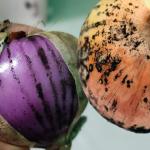
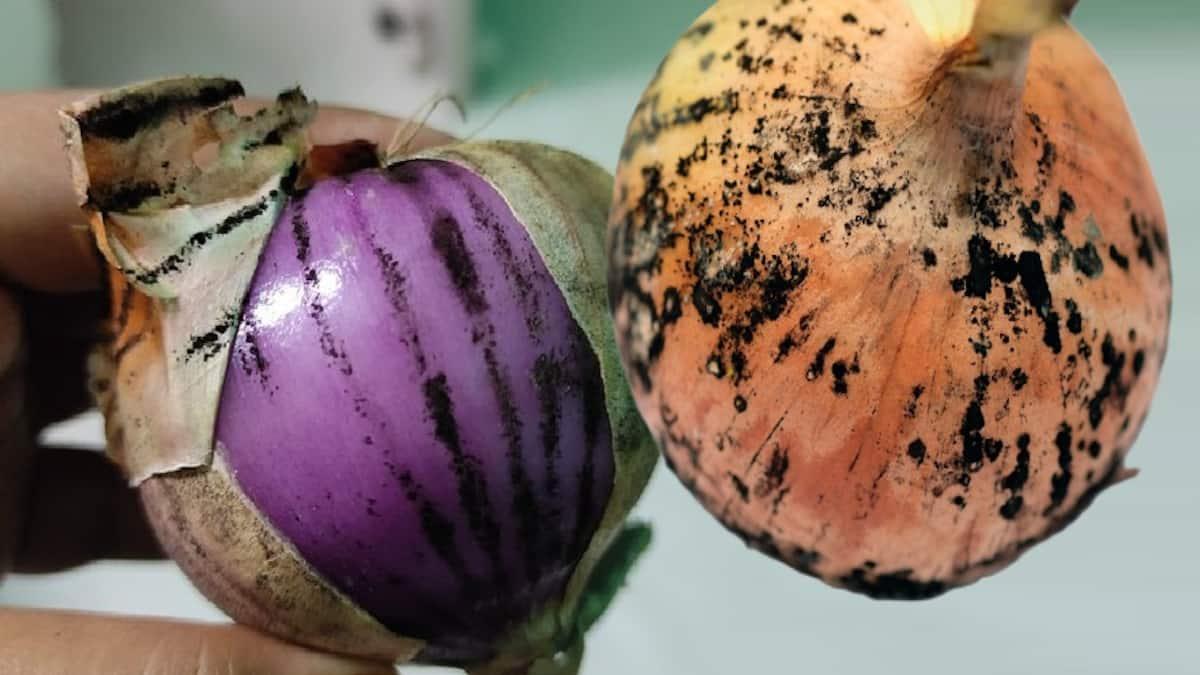
Common signs of moldy onions include:
- Black, green, blue, or white fuzzy patches
- Soft or slimy texture
- Unpleasant smell
- Excess moisture or leakage
- Dark spots and rotting areas
Once mold appears, the onion may no longer be safe to eat.
Why Moldy Onions Are Dangerous
Mold is a type of fungus that can spread deep inside food, even when only a small area appears affected. Some molds produce harmful substances called mycotoxins, which may cause illness when consumed.
Moldy onions may also carry bacteria that can lead to food poisoning and digestive problems.
Side Effects of Eating Moldy Onions
1. Food Poisoning
One of the most common risks of eating moldy onions is food poisoning. Harmful microorganisms may contaminate the onion and cause symptoms such as:
- Nausea
- Vomiting
- Stomach pain
- Diarrhea
- Fever
These symptoms can appear within hours after consuming contaminated onions.
2. Digestive Problems
Moldy onions can irritate the digestive system and cause bloating, cramps, indigestion, and stomach discomfort. People with sensitive stomachs may experience stronger reactions.
The toxins produced by mold can disrupt healthy digestion and affect gut health.
3. Allergic Reactions
Some individuals are sensitive or allergic to mold. Eating moldy onions may trigger allergic reactions such as:
- Sneezing
- Coughing
- Skin irritation
- Itching
- Breathing difficulties
People with asthma or respiratory conditions may be especially vulnerable.
4. Exposure to Harmful Mycotoxins
Certain molds produce toxic substances known as mycotoxins. Long-term exposure to these toxins may damage organs and weaken the immune system.
Although severe effects are less common from small exposure, regularly consuming mold-contaminated foods may increase health risks over time.
5. Increased Risk of Infections
Moldy onions may contain harmful bacteria that can increase the risk of infections, especially in people with weakened immune systems, elderly individuals, and young children.
Serious infections can occur if contaminated food is consumed repeatedly or in large amounts.
6. Bad Taste and Poor Nutritional Quality
Even if moldy onions do not immediately cause illness, they lose much of their nutritional value and freshness. Mold changes the taste, smell, and texture of onions, making them unhealthy and unpleasant to consume.
Can You Cut Off the Mold and Still Eat the Onion?
Many people believe that removing the visible mold makes the onion safe to eat. However, this is not always true.
Mold roots can spread deep into soft foods like onions, even when they are not visible on the surface. Harmful bacteria and toxins may already be present throughout the onion.
For safety reasons, it is generally best to throw away onions that show signs of mold or rot.
How to Prevent Mold on Onions
Proper storage can help keep onions fresh for longer and reduce mold growth.
Tips for Safe Onion Storage:
- Store onions in a cool, dry, and well-ventilated place
- Avoid storing onions in plastic bags without airflow
- Keep onions away from moisture
- Separate damaged onions from healthy ones
- Avoid storing onions near potatoes, as this may increase spoilage
- Check stored onions regularly for signs of rot
Proper storage helps maintain freshness and protects your health.
When Should You Throw Onions Away?
Discard onions immediately if they:
- Have visible mold
- Feel soft or mushy
- Produce a foul odor
- Leak liquid
- Show large dark or rotten spots
When in doubt, it is safer not to eat the onion.
Conclusion
Onions are healthy and nutritious foods, but moldy onions can become harmful and dangerous to human health. Eating onions with mold may lead to food poisoning, digestive issues, allergic reactions, and exposure to harmful toxins.
To protect your health and wellbeing, always inspect onions carefully before use and store them properly to prevent mold growth.
Remember, consuming fresh and safe food is an important part of maintaining a healthy lifestyle. When an onion shows signs of mold or spoilage, it is better to throw it away than risk your health.